

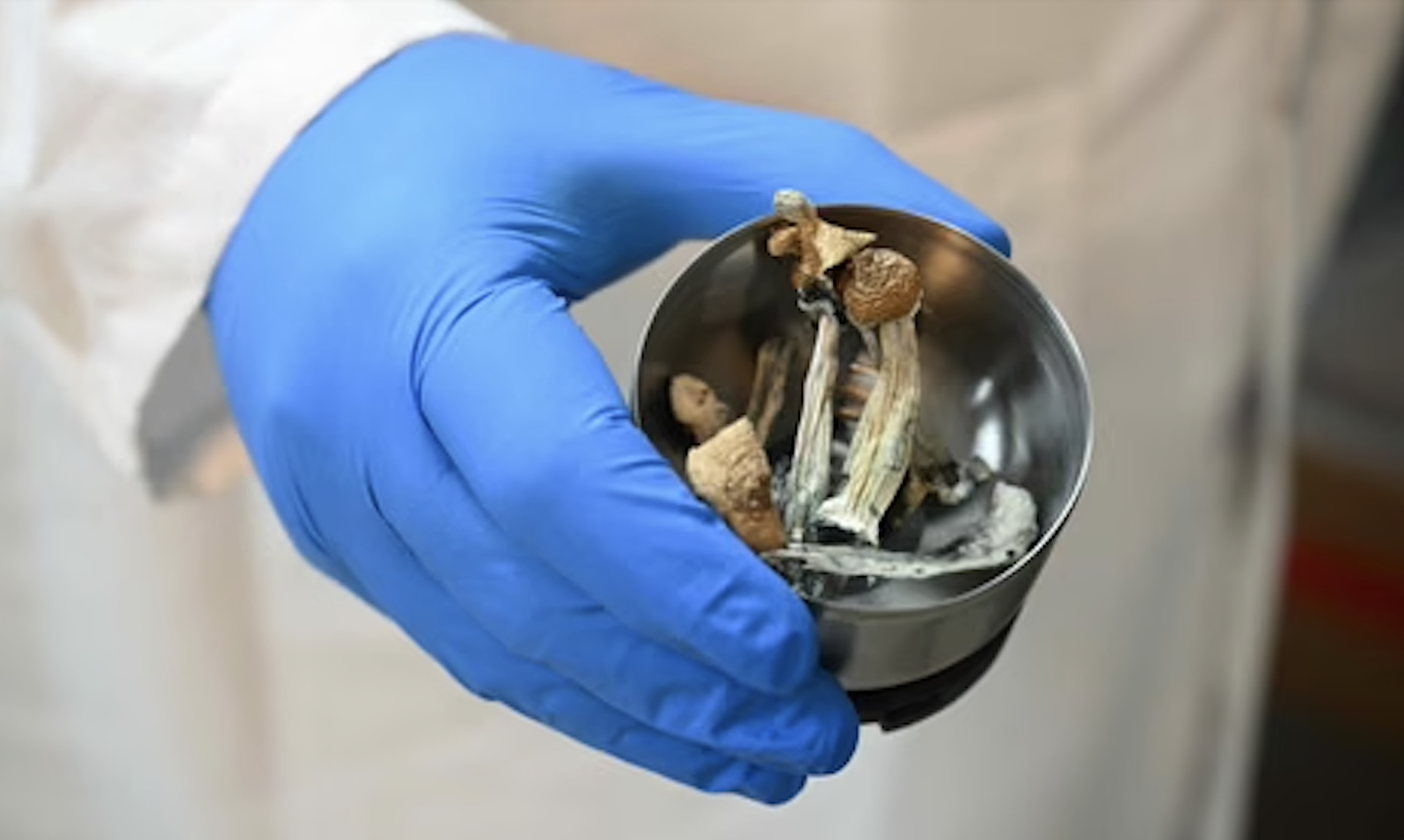
Australia continues to provide one of the most important real-world examples of regulated access to psychedelic-assisted therapy. Since 1 July 2023, the Therapeutic Goods Administration has permitted specifically authorised psychiatrists to prescribe MDMA for PTSD and psilocybin for treatment-resistant depression under the Authorised Prescriber scheme. This remains a restricted pathway: psychiatrists must obtain the relevant approvals, operate under controlled protocols, and report patient numbers for each unapproved product they prescribe.
The latest figures show that this pathway is now reaching a growing, though still limited, number of people. More than 400 patients have received treatment in Australia, supported by over 50 trained psychiatrists and associated clinics.
The Australian model is especially relevant for other countries considering how to manage access before full marketing authorisation. It shows both the potential and the complexity of a controlled access pathway: treatment is possible, but it requires trained prescribers, clinical governance, product sourcing, reporting systems, state and territory compliance, and careful management of patient safety. The TGA also continues to stress that there are currently no psilocybin or MDMA products on the Australian Register of Therapeutic Goods that have been fully evaluated for quality, safety, and efficacy, which is why the access pathway remains tightly controlled.
Another important development is the growing emphasis on data collection. The Australian Interventional Pharmacotherapy and Psychedelic-Assisted Psychotherapy Registry is collecting information on ketamine and psychedelic-assisted psychotherapy for treatment-resistant depression and PTSD, including from authorised prescribers, psychotherapists, and patients. This kind of real-world evidence infrastructure will be important for understanding safety, outcomes, cost-effectiveness, and implementation outside the highly controlled environment of clinical trials.
New Zealand is also beginning to follow this broader regional trend, albeit at a much earlier stage. It now has two clinicians approved to prescribe psilocybin and two approved to prescribe MDMA, with use limited to strict clinical protocols and case-by-case prescribing decisions.
For Europe, Australia’s experience is worth watching closely. It offers early lessons on how controlled access can work in practice, where bottlenecks emerge, and what safeguards may be needed if countries decide to open access before standard approvals are in place.
More can be learned from Mind Medicine Australia’s media alert.
