Patient-centred care key to addressing unmet mental health needs
A new report by PAREA’s member GAMIAN-Europe, Patient-centred Solutions to Addressing Unmet, Complex and Multiple Mental Health Needs, reinforces that access to appropriate mental health care is a fundamental human right, yet many people across Europe continue to struggle to receive timely, coordinated, and effective support.
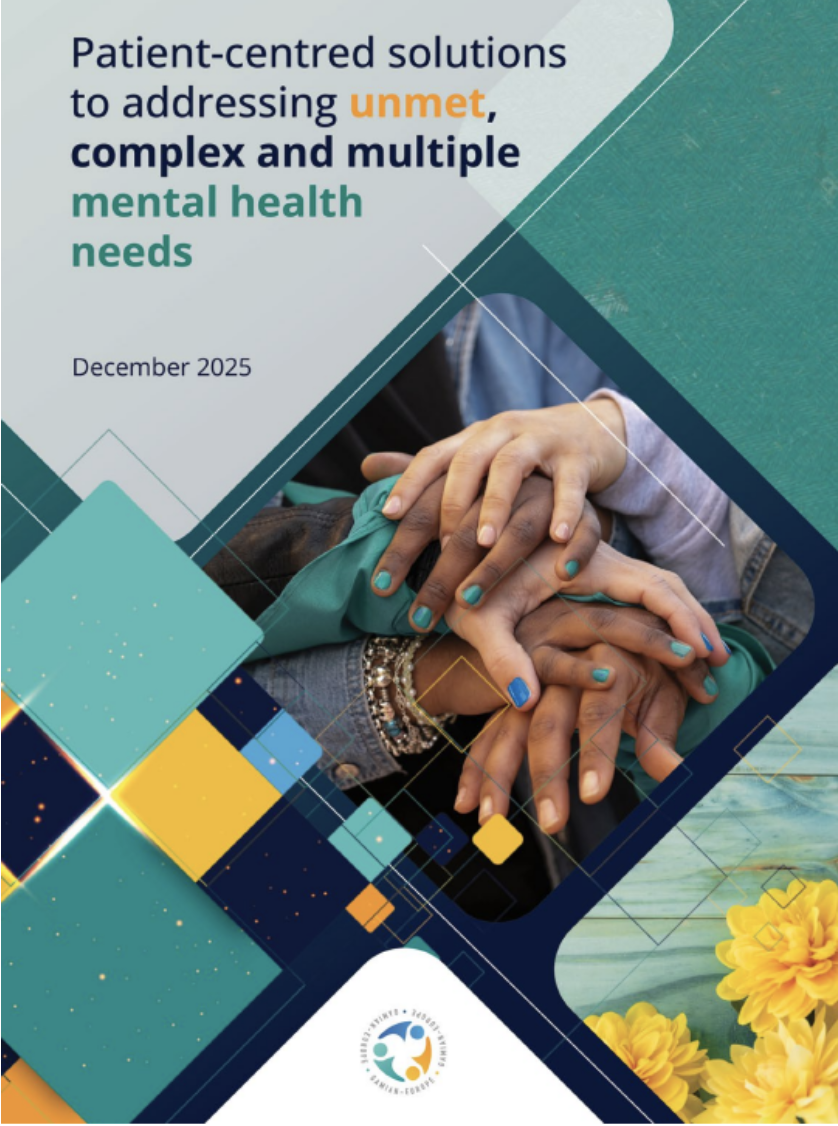
The report finds that while mental health services are often available, access is frequently limited by long waiting lists, fragmented pathways, and weak coordination between providers. These challenges are particularly acute for people living with complex or multiple mental health needs, who often lack consistent psychosocial support, community-based services, and adequate follow-up care.
Another major gap identified is the separation of physical and mental health care. Many systems still fail to address both together, despite clear evidence that integrated approaches improve outcomes and quality of life.
The report points to what works. Holistic, person-centred, and coordinated care is associated with better outcomes and greater satisfaction. Key elements include multidisciplinary collaboration, community-based services, peer-led support, and clear communication between professionals. Digital tools can support coordination and continuity, but the report stresses they should complement—not replace—human relationships.
Central to the report is the role of lived experience. People with direct experience of mental ill-health must be treated as equal partners in designing, delivering, and evaluating services. Their insights are essential to building systems that respond to real-world needs rather than institutional structures.
The report calls on policymakers, health services, and communities to move towards personalised, joined-up, recovery-focused models of care that close persistent gaps and uphold the right to mental health for all.
