The first European Forum of National Psychedelic Societies brings together organisations from 25 countries in Brussels
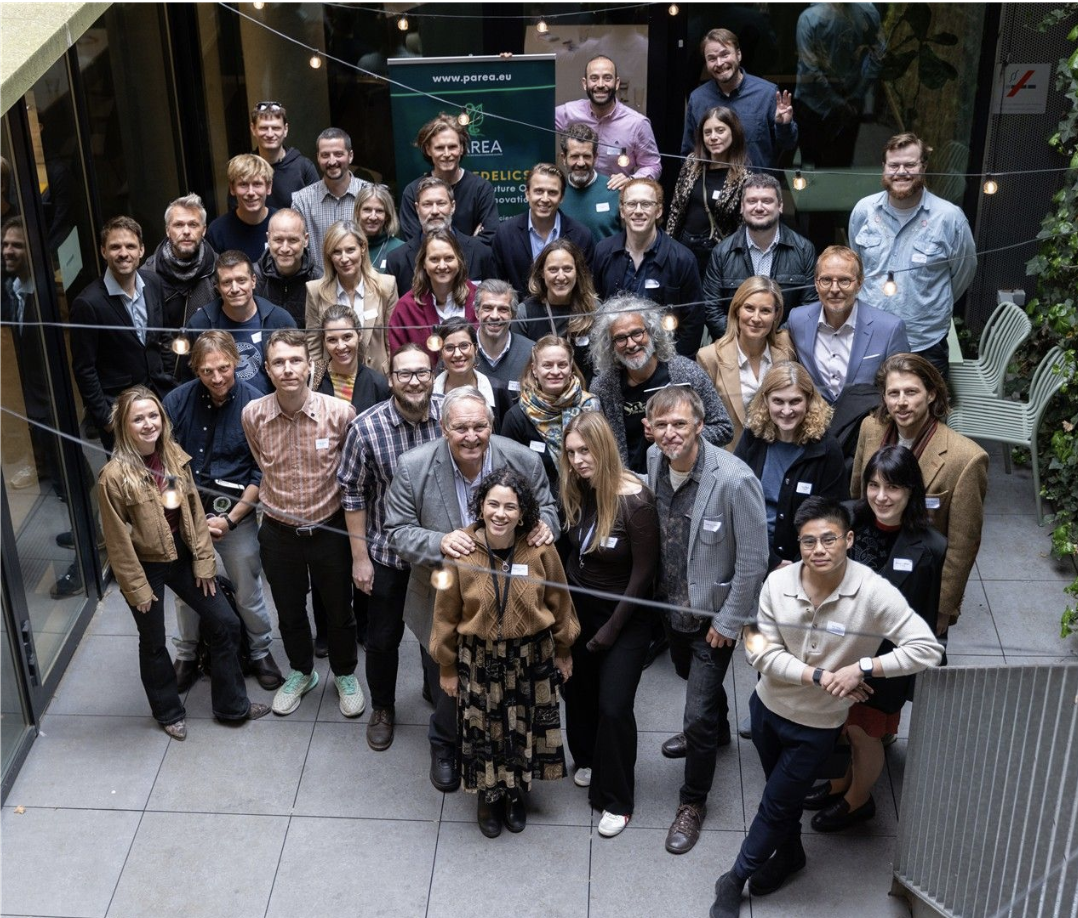
On 7 May 2026, PAREA convened the first European Forum of National Psychedelic Societies in Brussels, bringing together representatives of organisations from 25 countries working on psychedelic research, policy, and access across Europe.
Held as a closed, invitation-only meeting, the Forum created a structured space for exchange, coordination, and peer learning among organisations advancing safe, regulated, and equitable access to psychedelic therapies within healthcare systems.
The gathering followed our event at the European Parliament on enabling psychedelic research for mental health in Ukraine and reflected a growing momentum for collaboration across the European psychedelic policy and research landscape.
A focus on practical pathways to access
The Forum focused on two core areas central to the future of psychedelic therapies in Europe.
The first was access, including early access pathways, compassionate use programmes, rescheduling efforts, and emerging regulatory developments across European countries.
The second was implementation and engagement, including advocacy strategies, coalition-building, collaboration with policymakers and regulators, and strengthening national-level capacity to support future access within healthcare systems.
Throughout the day, discussions moved beyond general debate and focused on practical experience, lessons learned, and approaches that could be adapted across different national contexts.
Participants exchanged insights on the realities of advancing policy and access in different jurisdictions, including both opportunities and barriers emerging across Europe.
Representatives from across Europe
The Forum brought together organisations representing the landscape of national initiatives working on psychedelic science, therapy, and policy.
Participating countries included Austria, Belgium, Bulgaria, Croatia, Denmark, Estonia, Finland, France, Germany, Greece, Hungary, Iceland, Ireland, Italy, the Netherlands, Norway, Poland, Portugal, Romania, Serbia, Spain, Sweden, Switzerland, Ukraine, and the United Kingdom.
The meeting reflected a growing recognition that stronger European coordination and knowledge exchange will be essential as countries begin developing pathways for research, regulation, and access.
Contributions from leading experts
The programme featured contributions from experts directly involved in advancing psychedelic access and regulatory developments in Europe.
Prof. Gerhard Gründer shared perspectives from Germany on their compassionate use programme and Lowan Stewart discussed the implementation of nationwide ketamine reimbursement in Norway, reflecting on lessons learned from integrating innovative mental health treatments within public healthcare systems.
The discussions throughout the Forum highlighted the importance of combining scientific evidence, regulatory responsibility, clinical infrastructure, and patient perspectives when developing future access pathways.
Building long-term European collaboration
As described by PAREA founder Tadeusz Hawrot, the meeting carried a rare sense of purpose, collaboration, and shared commitment.
Bringing together organisations from across Europe in one room created an opportunity for exceptionally open and constructive exchange between groups working in very different political and regulatory environments. Participants explored current developments, but also the foundations needed for long-term cooperation across countries.
The Forum builds on PAREA’s ongoing work supporting policy development, research, and access to psychedelic therapies at the European level, as well as its engagement with national organisations through the Community Supporters network.
