

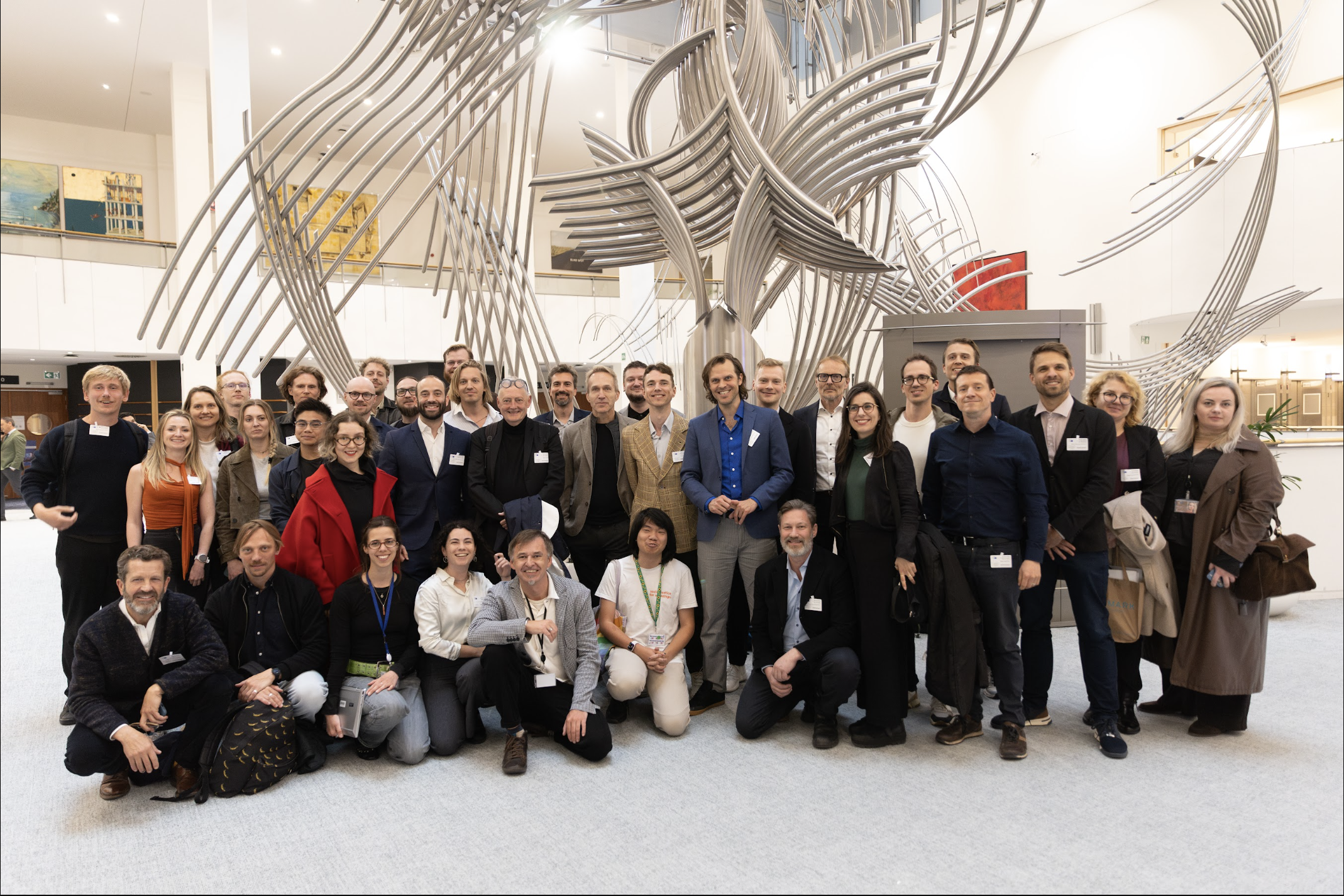
On 6 May 2026, policymakers, clinicians, researchers, veterans, and civil society representatives gathered at the European Parliament in Brussels for a timely discussion on mental health care in Ukraine and the role that evidence-based psychedelic therapies may play in addressing war-related trauma.
Co-organised by PAREA, the MEP Action Group on Psychedelics in Healthcare, and the Ukrainian Psychedelic Research Association (UPRA), and hosted by S&D MEP Vytenis Andriukaitis, the event focused on the urgent mental health needs emerging from Russia’s ongoing war against Ukraine, particularly among veterans and civilians living with PTSD and other trauma-related conditions.
Held in a packed room at the European Parliament, the meeting brought together Ukrainian and European stakeholders across policy, medicine, research, and civil society to discuss how innovative mental health treatments with psychedelics can be explored responsibly, ethically, and within established scientific and regulatory frameworks.
Reflecting on the event, PAREA founder Tadeusz Hawrot described it as one of the most meaningful policy discussions the organisation has hosted to date, highlighting the strong sense of purpose shared by all participants in ensuring that those defending Ukraine receive access to the best possible mental health care.
Addressing the mental health consequences of war
The event opened with remarks from MEP Vytenis Andriukaitis and was moderated by Prof. David Nutt, Chair of PAREA.
One of the most moving moments of the programme came from veteran Stanislav Hibadulin, who shared his experience of undergoing ketamine-assisted therapy to address the psychological trauma of war.
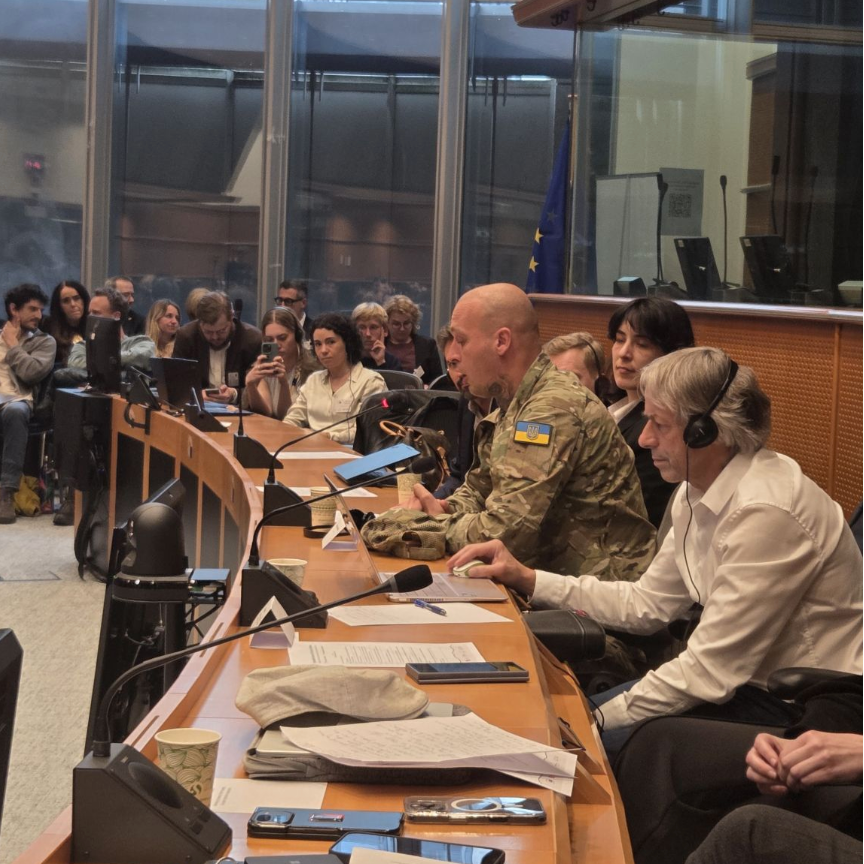
Ukrainian MP Dmytro Gurin spoke about the scale of the mental health crisis facing Ukraine and the immense strain placed on existing systems of care. Discussions throughout the event highlighted the long-term societal implications of untreated trauma and the need to expand access to evidence-based treatment options.
European expertise on policy and clinical research
The programme also featured leading European experts working at the intersection of psychiatry, neuroscience, trauma, and public policy.
Prof. Geert Dom, Past President of the European Psychiatric Association, discussed current developments pertaining to psychedelic therapies in European mental health policy and European Medicines Agency (EMA) guidelines.
Prof. Eric Vermetten of Leiden University Medical Center and retired Colonel presented the latest evidence on MDMA-assisted therapy for PTSD and reflected on implementation considerations in real-world clinical settings, particularly in populations affected by conflict and trauma.
Participants highlighted also Ukraine’s opportunity to align national mental health initiatives with evolving European standards and research projects in light of the country’s future integration into the European Union.
Advancing psychedelic research in Ukraine
Representatives from Ukraine’s State Expert Center of the Ministry of Health, Edem Adamanov and Olena Semenchenko shared regulatory considerations around the development of psychedelic therapies in Ukraine, including perspectives around clinical research and access frameworks .
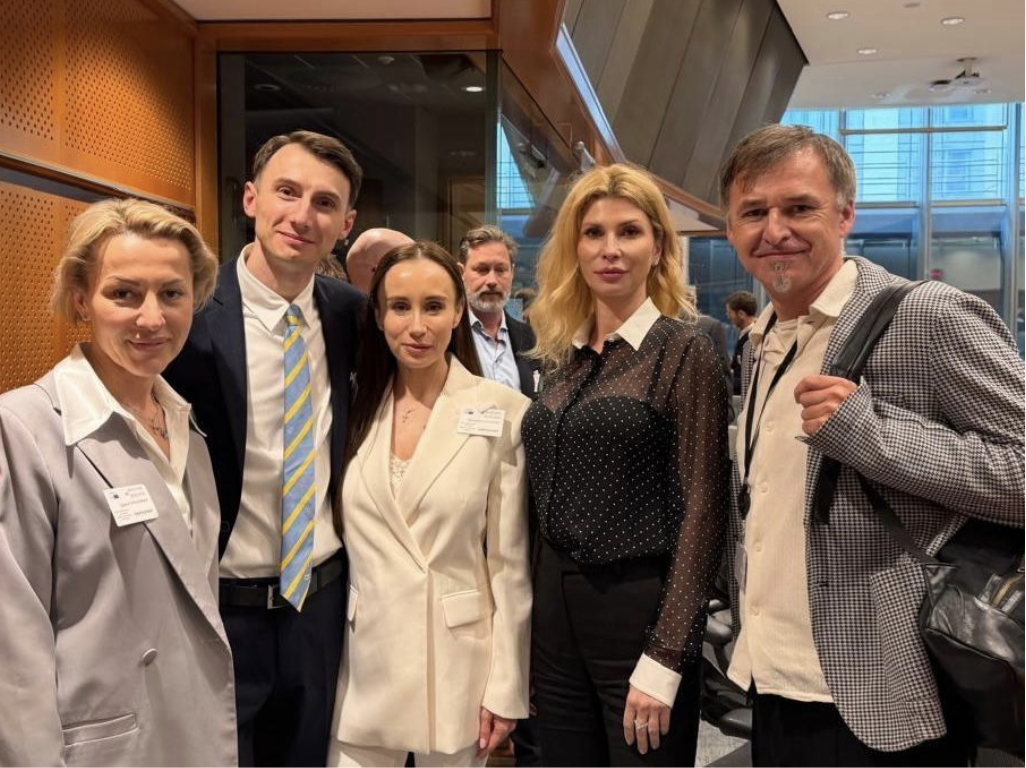
The event concluded with a panel discussion moderated by Tais Poda of UPRA with contributions from Ukrainian and European experts, focused on aligning national developments with EU clinical and regulatory frameworks while ensuring patient safety, scientific rigor, and ethical oversight.
A joint statement on research, safety, and collaboration
During the meeting, participants released a joint statement recognising the severe mental health burden created by the ongoing war and calling for expanded evidence-based research into innovative therapeutic approaches, including psychedelic-assisted therapies.
The statement acknowledged the rapid growth of clinical research involving psychedelic substances across Europe and highlighted the need to rebuild and expand Ukraine’s mental health research capacity in proportion to the scale of unmet needs.
The signatories called on:
Ukrainian institutions to accelerate the development of a safe, ethical, and scientifically rigorous framework for controlled psychedelic research
European institutions to support Ukraine through technical assistance, knowledge exchange, and collaborative research initiatives
The international research community to work alongside Ukrainian institutions on high-quality clinical trials focused on war-related mental health conditions
All stakeholders to ensure that innovation is balanced with safety, ethical standards, and scientific evidence
The statement also emphasised that Ukraine is uniquely positioned to contribute to broader European research efforts addressing trauma-related mental health conditions among both civilians and veterans.
Recording available here.
The joint statement released during the event can be accessed here.